Hop Aboard to Adventure: Easy Rail-to-Trail Days the Whole Family Will Love

Set your morning to the rhythm of the rails and step straight onto gentle paths designed for curious kids and relaxed caregivers. Today we dive into family-friendly train-to-trail outings with short, easy routes, blending car-free travel, playful discovery, and low-stress logistics. Expect practical checklists, storytelling games, and comforting tips drawn from real rides, so your next journey feels exciting, affordable, and beautifully simple from platform to picnic blanket.

Finding the Right Line and Trail Connection

Search for stations with clearly marked pedestrian routes and family-friendly intersections, then match them to trails with obvious mile markers and shaded segments. Transit apps, OpenStreetMap layers, and park websites help confirm surfaces, lighting, and restroom access. If in doubt, call the station agent or parks office; a quick chat often reveals stroller ramps, elevator reliability, and exactly where the platform spills into greenway serenity.

Timing Naps, Snacks, and Trains

Choose off‑peak trains to find seats together, space for strollers, and calmer vibes that align with nap windows. Aim to disembark before hunger peaks, then schedule a scenic snack stop near the trailhead. Building in micro-breaks every twenty minutes keeps energy steady. A flexible return ticket cushions delays, while a celebratory treat at the platform cafe turns transitions into anticipated, smile-making rituals.

Checking Surfaces, Grades, and Amenities

Confirm hardpack or paved paths if rolling with strollers or scooters, and look for grades under three percent to keep conversations easy. Note water fountains, picnic tables, and playgrounds that recharge tiny explorers. A restroom within the first half‑mile is gold. When possible, preview satellite imagery for shade patterns and potential construction detours, so expectations match reality and your group’s comfort remains beautifully intact.

Packing Light, Moving Bright

Compact packing lets you move nimbly through ticket gates, elevators, and trail entrances. Prioritize versatile layers, hands‑free snacks, and compact rain covers. Think in roles: one adult navigates, another motivates, kids carry tiny treasures. Add a spare transit card, small bills for ice cream, and a pocket notebook for train numbers or leaf rubbings. Lighter bags make curiosity, not clutter, set the pace.

The Three-Bag System

Distribute essentials into three small bags: navigation and tickets up front, snacks and water mid‑back, comfort and first‑aid in a compact sling. Each bag remains grab‑ready for seat shuffles or carriage changes. Color code zippers for speed, tuck a foldable tote for surprise finds, and give kids ownership of a feather‑light pouch holding a whistle, sticker map, and their proudest collected leaf.

Snack Box Strategy

Pack slow‑melting, crumb‑tame snacks in bento boxes, mixing fruit, protein, and one joyful surprise. Label portions by segment—train out, midpoint picnic, return ride—so nobody raids tomorrow’s energy. Hydration flasks with measurement lines let kids track sips like scientists. Bring wet wipes, compostable bags, and a small picnic cloth that doubles as a superhero cape or shade mat when imaginations run bright.

Weather-Smart Layers for Little Explorers

Dress like onions: breathable base, cozy middle, wind‑or‑rain shield on top. Quick‑dry socks comfort tiny feet after puddle splashes, while brimmed hats soften sun and create picture‑ready silhouettes. Pack a microfleece for platforms where breezes funnel, and consider lightweight gloves if railings feel cold. A reflective slap band delights kids and boosts visibility when returning at twilight, keeping the journey gentle and safe.

Platform and Carriage Etiquette for Kids

Turn rules into rituals: toes behind the bumpy line, eyes on the arriving headlights, hands holding the rail. Count doors together and practice stepping across gaps calmly. Inside, claim a safe pocket near luggage racks, stow wheels respectfully, and offer a friendly hello to neighbors. Children mirror your tone; gentle confidence invites them to become considerate travelers who notice signs, seat priorities, and smiles.

Trail Safety Games That Teach

Play Red Light, Green Light using trail posts, or call out bell sounds when bikes approach to practice predictable moves. Make a contest of spotting yield triangles, tactile paving, or mile markers. Celebrate decisions—waiting, waving, crossing—so safety feels like achievement, not scolding. End with a badge ceremony using stickers, honoring great listeners and helpful scouts who kept the group moving kindly together.

Window Bingo with Landmarks

Print simple bingo cards featuring bridges, water towers, murals, red jackets, and station clocks. Add a wildcard square for a dog with floppy ears or a bicycle bell. Mark sightings with tiny stickers to avoid crumbs. Swap roles mid‑ride so kids announce stations like conductors. Finish with a quiet victory pose when bingo lands, then carry that playful momentum straight onto the welcoming trail.

Soundtrack of the Rails

Invite kids to name sounds—the rustle before doors open, the whoosh of a passing express, the click over points—and match them to feelings. Hum a family tune when nerves rise, and let footsteps set the tempo on the trail. Record short audio notes describing clouds or flowers. Later, replay those moments at home to relive calm rhythms and celebrate how attentiveness transforms ordinary travel.

Destinations That Deliver Wow with Minimal Miles
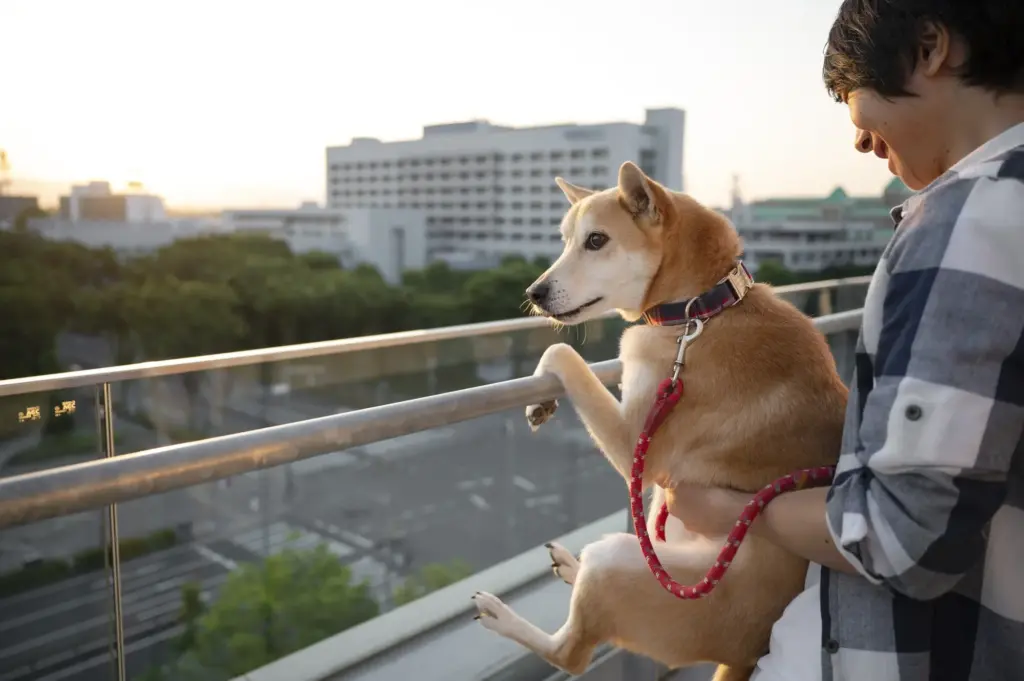
Seek trails that offer an early reward: a riverside promenade two stops from downtown, a park with stepping‑stone crossings, or a boardwalk skirting reed beds alive with dragonflies. Short distances feel grand when layered with sensory moments. Scan local rail‑trail maps, ask station staff for playground intel, and browse community photo galleries. Before you go, confirm seasonal closures, leash rules, and accessible restrooms.

Inclusive, Affordable, and Kind to the Planet
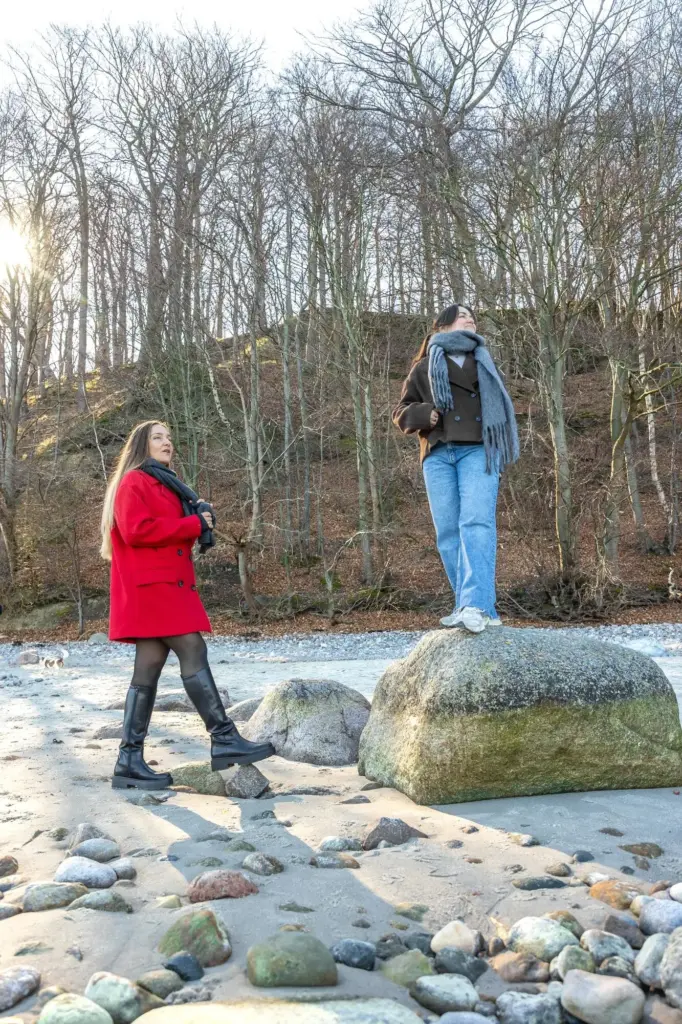
Car‑free days reduce stress, emissions, and parking puzzles while welcoming a wider circle of abilities and budgets. Look for elevators, tactile paving, audible announcements, and accessible restrooms. Off‑peak fares, family passes, and short routes keep costs friendly. Share seats, offer help with doors, and thank staff. Togetherness grows when travel is considerate, spacious, and mindful—good for children, caregivers, cities, and the patient trees along the path.